image
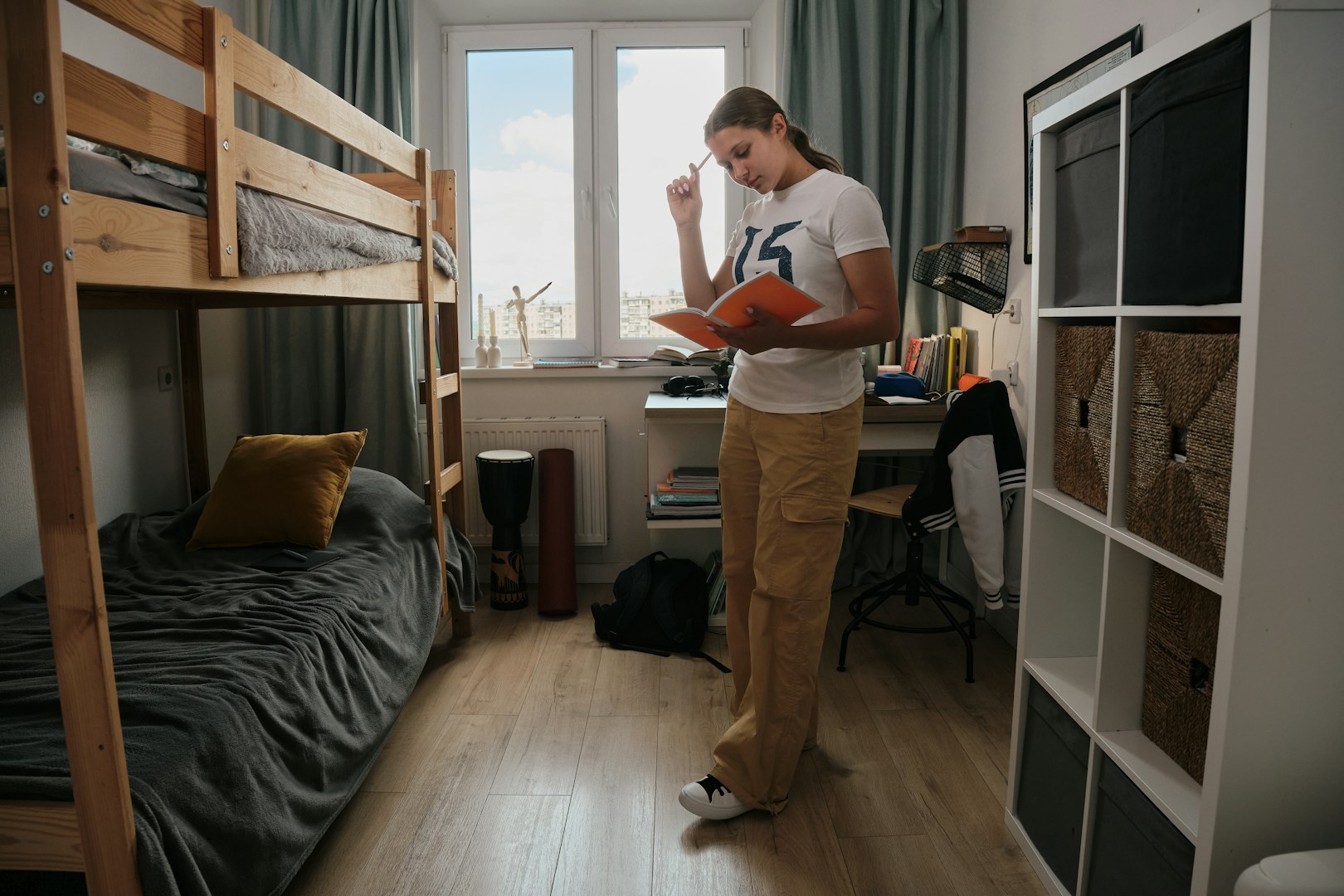

Today, their legacy survives not just in the archives, but in the very grit and determination that Exeter students bring to every exam season.
Bombs, Books, and Blackouts: How Exeter Students Survived the Blitz Exam Season
Today, walking through the University of Exeter's leafy Streatham Campus or down the historic cobbles of Gandy Street, it is hard to imagine the city as a smoking landscape of wartime devastation.
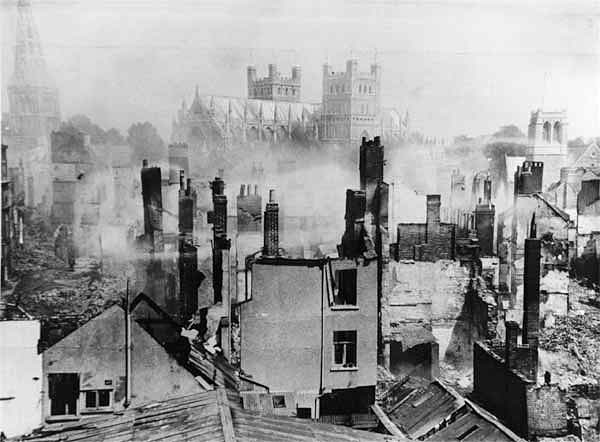
Yet in the spring of 1942, Exeter became the very first victim of Hitler’s infamous "Baedeker Blitz"—a series of retaliatory air raids deliberately targeting Britain's most beautiful historic and cultural cities.
For the students of what was then the University College of the South West of England, the spring term did not just mean grappling with final exams. It meant trying to study while bombs literally tore their city apart around them.
Here is the incredible story of how Exeter's student community coped, adapted, and sat their exams during one of the darkest chapters of World War II.
The Night the City Burned: May 1942
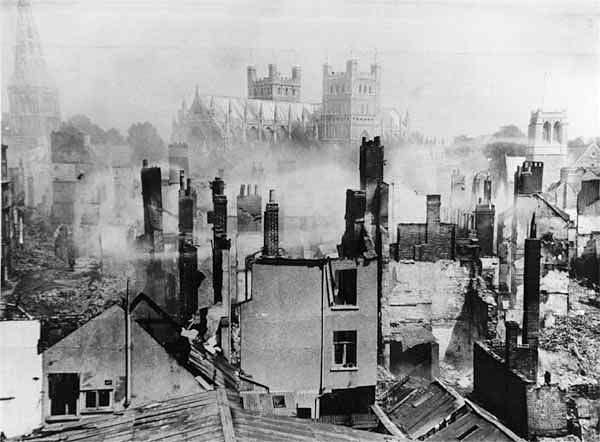
While Exeter had experienced minor hit-and-run raids earlier in the war, the night of 3–4 May 1942 changed everything. Over 20 German bombers filled the sky, dropping hundreds of high explosives and incendiary bombs. By morning, thirty acres of Exeter's historic city centre were a blazing ruin, and over 150 citizens had lost their lives.
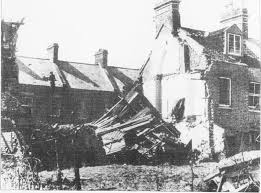
The university did not escape unscathed. Down in the city centre, the University Registry on Gandy Street was hit directly and completely flattened, instantly incinerating generations of student records and academic archives.
Up on the hill at the main Streatham Estate, students watched the horror unfold. A parachute landmine exploded just behind Mardon Hall, blowing out windows and causing structural damage. Shrapnel punctured the roofs of the Roborough Library and the Washington Singer building.
WARTIME EXETER CAMPUS IMPACT (MAY 1942) ├── Gandy Street Registry ──► COMPLETELY DESTROYED (All records lost) ├── Mardon Hall ──────────► LANDMINE DAMAGE (Windows shattered) ├── Roborough Library ────► ROOF DAMAGE (Shrapnel & blast impact) └── Washington Singer ────► ROOF DAMAGE (Slight structural impact)
"No Books, No Notes": The Ultimate Academic Crisis
For students preparing for their final summer assessments, the immediate aftermath of the Blitz brought an unimaginable hurdle: their learning materials were completely gone.
The destruction of the Gandy Street building meant lecture notes and syllabi were lost. Far worse was the personal tragedy of the university’s beloved Professor of History, R.R. Darlington. His flat in Southernhay was entirely consumed by fire, destroying his entire life's work, including all the rare academic texts, personal books, and research papers his students relied on for their degrees.
With libraries damaged, professors homeless, and textbooks reduced to ash, the concept of "exam prep" had to be completely redefined.
How Students Coped: Fire Watches and Midnight Rehearsals
So, how did they pull through? The answer lies in the sheer resilience of the student body and a heavy dose of wartime community spirit.
1. The Mardon Hall Fire Watch
Students did not just hide in shelters; they actively defended their campus. Armed with sandbags and stirrup pumps, student fire-guard teams patrolled the roofs of Mardon Hall and the Washington Singer building. Archived letters from John Saunders, an engineering student living in Mardon Hall at the time, describe the surreal routine of dodging high explosives, checking the grounds for unexploded incendiaries, and going straight back to bed at 3:00 AM to grab a few hours of sleep before morning classes.
2. Shifting to Shorthand and Group Study
Because so many personal books were destroyed, students who had managed to save their notes pooled them together in communal study hubs. If one student had a textbook that survived the blast, it was shared among dozens, read aloud by candlelight during blackouts.
3. Sitting Exams in Shattered Rooms
The university leadership, driven by Principal John Murray, refused to let the Luftwaffe disrupt the academic calendar. Despite shattered glass, drafty windows patched with cardboard, and the constant threat of daylight sneak attacks, exam desks were set up.
Students sat their papers clad in heavy winter coats to block the breeze from broken windows, writing their essays with the distant sound of sirens and civil defense crews clearing wreckage echoing from the city centre below.
The Legacy of 1942
The grit displayed by Exeter students in 1942 paid off. The university successfully completed its academic year, proving that community and determination could triumph over cultural destruction.
Even today, remnants of that era occasionally resurface. In February 2021, a massive, unexploded 1,000kg German bomb from the 1942 Blitz was unearthed by builders right next to the Streatham Campus, forcing the evacuation of 1,400 modern-day students. History came knocking on the door, reminding a new generation of the extraordinary conditions under which their wartime predecessors earned their degrees.
The next time you find yourself stressed about an upcoming assignment deadline or an exam in the forum, take a look at the sturdy brickwork of Mardon Hall or Washington Singer. They stood tall through the fires of the Blitz—and so did the students inside them.
If you want to read more about student history or need help preparing your own move out of Exeter's historic campus, check out our guides on booking local Stuff2move student storage or exploring the Royal Albert Memorial Museum's Exeter Blitz archive.
We need your consent to load the translations
We use a third-party service to translate the website content that may collect data about your activity. Please review the details in the privacy policy and accept the service to view the translations.